
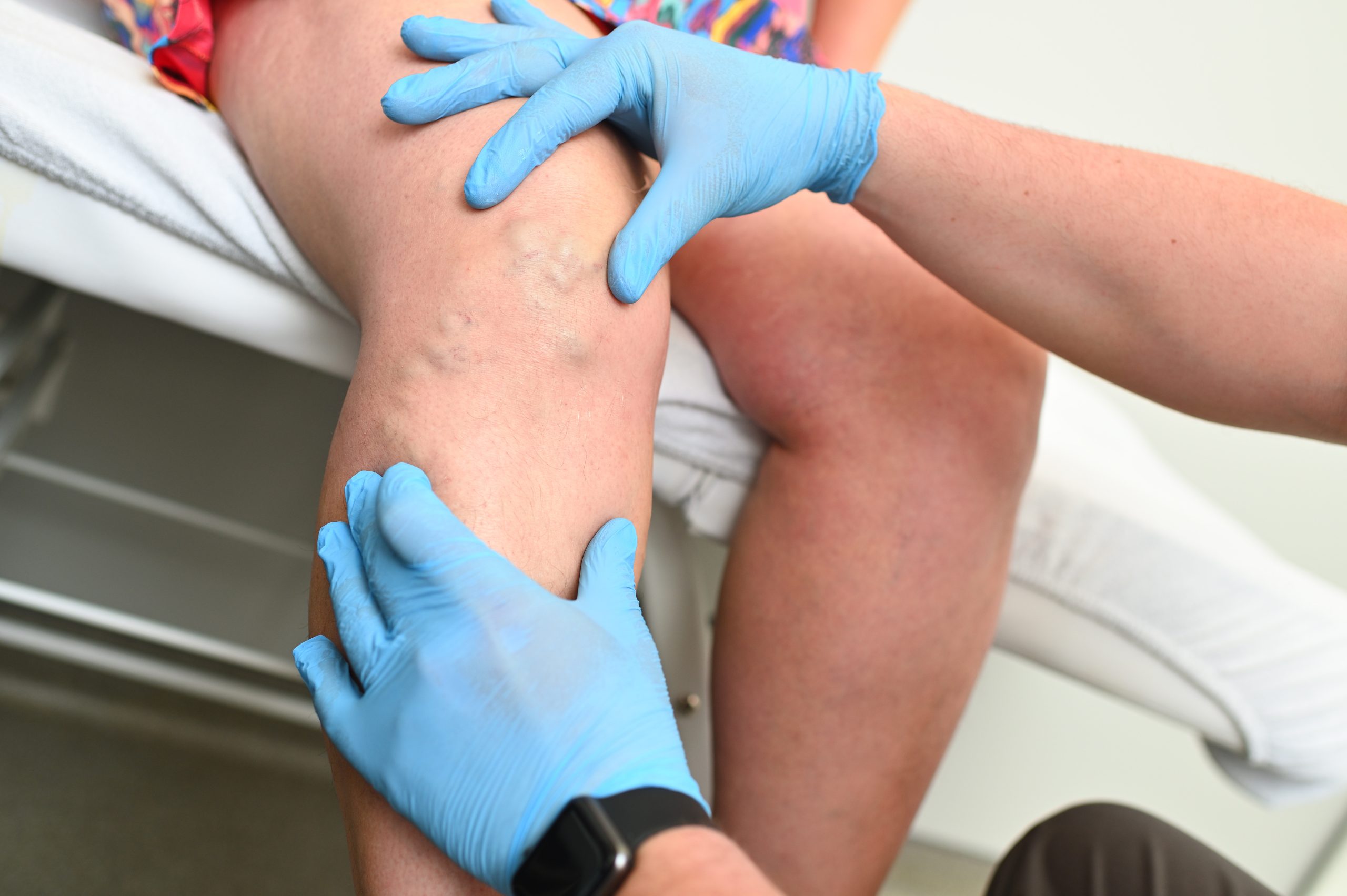
Short version:
- Varicose and spider veins are treatable with minimally invasive, in-office procedures that require little to no downtime.
- Common options include radiofrequency ablation, sclerotherapy, laser therapy, and Varithena foam injection.
- A vascular specialist can evaluate your condition and recommend the right approach based on vein size, symptoms, and overall health.
Residents dealing with leg pain, bulging veins, or visible spider veins have more treatment choices than ever before. Bulging, painful veins can impact both confidence and health, but surgery is not the only answer — with modern minimally invasive vein treatments, patients can find relief quickly, safely, and without the downtime of traditional surgery.
If you are searching for vascular vein treatment in Bronx NY, understanding the full range of available procedures helps you make a more informed decision before your first appointment. Varicose veins occur when valves inside the leg veins fail, allowing blood to pool and veins to stretch. Left unaddressed, the condition can progress beyond a cosmetic concern.
Why Vein Conditions Deserve Medical Attention
Varicose veins cause symptoms including fatigue, heaviness, aching, burning, throbbing, itching, or cramping, and untreated varicose veins can become severe, leading to eczema, inflammation, or a leg ulcer. Spider veins, by contrast, are typically a cosmetic issue. Spider veins are smaller, closer to the surface, and often a cosmetic concern, while varicose veins are larger, deeper, and more likely to cause symptoms.
According to the National Heart, Lung, and Blood Institute, varicose veins are among the most common venous conditions and can be associated with chronic venous insufficiency when left untreated. Modern medicine has shifted from only treating visible veins to addressing the larger problem of underlying vein dysfunction, as this approach has proven more effective in delivering lasting therapeutic results.
A Comparison of Common Vein Treatment Procedures
Treatments including radiofrequency ablation, sclerotherapy, and laser therapy are designed to close diseased veins and restore healthy circulation. The table below summarizes the most widely used options:
|
Procedure |
Best For |
Recovery |
|
Radiofrequency Ablation (RFA) |
Medium to large varicose veins |
Same day return to activity |
|
Sclerotherapy |
Spider veins and small varicose veins |
Minimal, compression stockings advised |
|
Endovenous Laser Therapy (EVLT) |
Larger trunk varicose veins |
1-2 days |
|
Varithena Foam Injection |
Varicose veins with valve dysfunction |
Minimal downtime |
Radiofrequency ablation uses controlled radiofrequency energy to collapse the affected vein with heat while preserving surrounding tissue, and is considered a gold-standard minimally invasive treatment.
Sclerotherapy is still considered the first option among several treatment choices for spider veins and small varicose veins. The procedure involves injecting a medical solution into the affected veins, causing them to collapse and fade. New advancements have introduced foam versions of the solution that expand more adequately while in the vein and make better contact with the vein walls.
Varithena is a minimally invasive treatment for varicose veins that is injected into the affected veins as a foam, effectively closing them off and redirecting blood flow to healthier veins.
What to Expect at a Vascular Vein Consultation
Vascular appointments are crucial for diagnosing and managing various circulatory conditions. During your appointment, a specialist will assess your symptoms, perform necessary tests, and create a personalized treatment plan to improve your vascular health.
Most procedures are performed entirely in-office. These procedures require little to no recovery time and deliver long-lasting results. Patients are typically encouraged to walk immediately after treatment and resume normal activities within a day.
Insurance coverage varies based on the procedure, your condition, and your specific plan. Many major insurance plans often cover medically necessary vascular treatments, but it is best to contact the office with your insurance information for a precise answer prior to scheduling.
Key questions to bring to your consultation:
- Which veins are causing symptoms versus which are purely cosmetic?
- Is an ultrasound evaluation needed to assess deeper vein function?
- What is the expected number of treatment sessions?
- Are compression stockings required before or after the procedure?
Finding Vein Care in the Bronx
Personalized treatment plans, from routine screenings to advanced endovascular procedures, are available to help manage vascular health at offices in Queens, Brooklyn, the Bronx, and Yonkers. The Bronx location is situated at 4256 Bronx Blvd, Bronx, NY 10466, making specialist care accessible to residents across the borough.
Premier Vascular specializes in diagnosing and treating a wide range of vascular and vein conditions, including varicose veins, spider veins, peripheral artery disease (PAD), chronic knee pain via genicular artery embolization, and other circulatory issues.
Frequently Asked Questions
What is the least invasive vein treatment available? Sclerotherapy is among the least invasive options. It is a well-established treatment for smaller varicose veins and spider veins. A solution is injected into the affected veins, causing them to collapse and eventually disappear, and it is a quick procedure that can be performed in-office with minimal discomfort.
Do varicose vein treatments require general anesthesia? Most modern varicose vein treatments are performed under local or regional anesthetic, with a walk-in, walk-out approach and minimal discomfort.
How do I know which treatment is right for me? The answer depends on your vein size, symptoms, overall health, and lifestyle. A proper vein evaluation is the first step to determine the most effective treatment, and in many cases a combination of treatments provides the best long-term results.
Is vein treatment covered by insurance in New York? Coverage depends on whether the condition is deemed medically necessary. Cosmetic spider vein removal is generally not covered, while symptomatic varicose vein treatment often qualifies. Confirming eligibility with the provider’s office before scheduling is the most reliable approach.
If you are ready to discuss your options with a board-certified specialist, Premier Vascular offers consultations at the Bronx location and accepts multiple major insurance plans. Scheduling a vein evaluation is a straightforward first step toward understanding what treatment, if any, is appropriate for your specific condition.