
Simply put:
- Earwax buildup can cause muffled hearing, ear fullness, and discomfort — and professional removal is the safest way to address it.
- At-home methods carry real risks; knowing when to skip the DIY route and see a specialist protects your ears.
Earwax, also called cerumen, is a natural protective substance your ears produce. It helps trap dust, protect the ear canal skin, and keep the ear clean — but when too much builds up, it can cause discomfort, reduce hearing, or lead to irritation. For residents seeking earwax removal in Huntersville NC, understanding your options — and their limits — is the first step toward relief.
Symptoms That Signal a Buildup Problem
Not every ear needs cleaning, and the ear’s self-cleaning system handles most situations on its own. Cerumen production is a normal and protective process for the ear canal. However, it should be removed when it causes symptoms such as hearing loss, itching, pain, or tinnitus, or when it prevents proper assessment of the ear canal and eardrum.
Common signs that buildup has become a problem include:
- Muffled or reduced hearing
- A feeling of fullness or pressure in the ear
- Ringing or noises in the ear (tinnitus), itchiness, odor or discharge, or pain
- Hearing aids that seem to underperform or sound distorted
If earwax is pressing against hearing aids, or if you have had ear surgeries, a perforated eardrum, or chronic ear problems, professional care is the safer choice.
At-Home Methods: What Works and What to Avoid
Some mild cases can be managed at home, but the approach matters. Impacted cerumen treatments can involve solutions that dissolve earwax, ear irrigation, or in-office removal. Talk to your healthcare provider before trying any treatment.
Here is a quick comparison of common approaches:
|
Method |
Appropriate Use |
Key Risk |
|
Softening drops (cerumenolytics) |
Mild buildup, as a prep step |
Minimal if used correctly |
|
Bulb syringe irrigation |
Selected adults, mild cases |
Pressure can damage eardrum |
|
Cotton swabs |
None — not recommended |
Pushes wax deeper, risks perforation |
|
Ear candles |
None — not recommended |
No proven benefit, burn risk |
|
Professional removal |
Moderate to severe buildup |
Lowest risk when done by a specialist |
Trying to remove earwax with cotton swabs, fingernails, or other items can push it down farther, increasing the risk of blockage. Putting items in your ear can also damage the eardrum, which is paper thin. According to Mayo Clinic’s earwax guidance, “wax removal is most safely done by a healthcare professional” because your ear canal and eardrum are delicate and damage easily.
Professional Earwax Removal: What the Process Looks Like
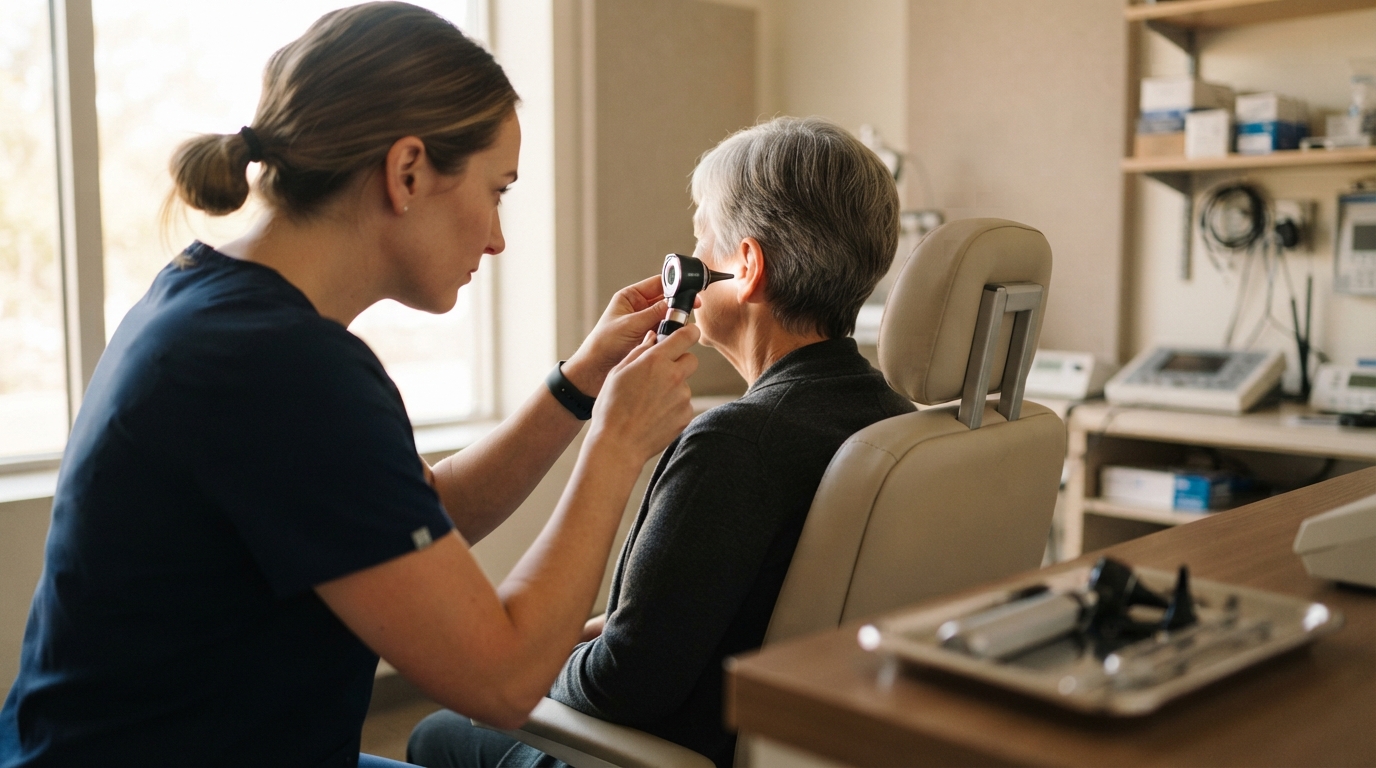
When buildup is significant or home remedies have not worked, an audiologist or hearing care specialist has several clinical tools available. Depending on how much wax is present, how hard it is, and your ear health, a clinician may use softening drops to loosen hardened wax, manual removal with a curette under direct vision, or gentle suction devices that carefully remove wax without pushing it deeper.
During earwax removal procedures, the ear canal should ideally be viewed under magnification with a light source, such as a binocular microscope or endoscope. This direct visualization is what separates clinical removal from at-home attempts — the specialist can see exactly what is happening and adjust technique in real time.
Proper removal reduces the risk of damage to the delicate ear canal and eardrum. People who wear hearing aids are especially likely to need periodic professional cleanings, since professional cleaning of impacted earwax restores ear canal patency and helps prevent device malfunction.
Frequently Asked Questions
How often should I have my ears professionally cleaned? There is no universal schedule. Some people never need professional removal; others who produce excess wax or wear hearing aids benefit from periodic visits. A hearing care specialist can assess your situation and recommend a routine.
Can earwax cause permanent hearing loss? Untreated earwax buildup can lead to hearing loss, irritation, pain, dizziness, and ringing in the ears. In most cases, cerumen impaction is not dangerous and symptoms go away with treatment.
Are ear candles a safe option? Cotton-tipped swabs, ear candling, and olive oil drops or sprays should be avoided according to clinical guidance on cerumen management.
What if professional removal does not resolve the problem? When cerumen cannot be removed safely in a primary care setting, referral to otolaryngology — head and neck surgery is appropriate.
Get Professional Earwax Care in Huntersville
If you are experiencing symptoms of earwax buildup, skipping the DIY approach and scheduling a professional evaluation is the most direct path to relief. Bowles Hearing Care Services, PC serves individuals in Charlotte, Hickory, Mooresville, and Huntersville, NC, offering personalized hearing health services including professional earwax management. Reach out to schedule an evaluation and get a clear picture of what your ears actually need.