
Key point:
- Pensacola has a genuine local specialty food scene anchored by farmers markets, dry goods cupboards, and regionally sourced products.
- Knowing what to look for — local sourcing, vendor variety, and product range — helps you shop smarter and support the community.
Finding quality specialty foods in Pensacola, FL comes down to knowing where local and regional goods are stocked, what products are available, and how a market chooses the items it carries. This guide highlights practical ways to evaluate a specialty food selection while supporting producers and small businesses connected to the Gulf Coast region.
What Counts as a Specialty Food and Why It Matters
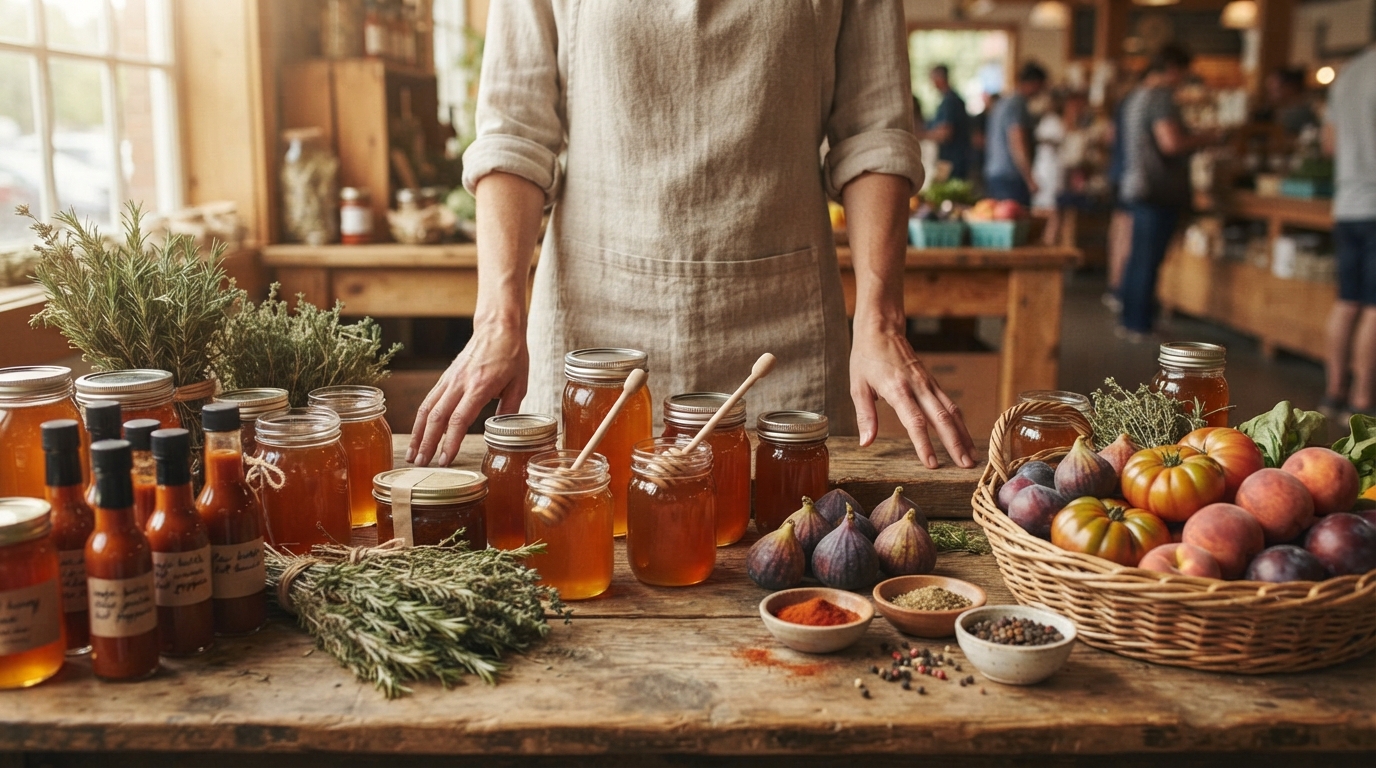
The term “specialty food” covers products that stand out because of their sourcing, preparation, regional character, or small-batch production. In Pensacola, that can include local and regional produce, raw honey, pickled goods, artisan condiments, jams and jellies, cheeses, baked goods, seasonings, and other curated pantry items.
Local and regional food systems give shoppers more opportunities to learn where products come from and support smaller producers. The USDA Economic Research Service studies how local food markets connect consumers and producers and how those markets affect local economies and communities.
When evaluating any specialty food source, ask three practical questions:
- Where was it produced, and how far did it travel?
- Can staff identify the producer and explain whether the item is local, regional, or sourced from farther away?
- Does the selection change with the seasons while still offering dependable pantry staples year-round?
Key Categories to Look for in a Pensacola Specialty Market
Not every market carries the same mix of products. When comparing specialty food selections in Pensacola, look for variety, clear sourcing information, and products that go beyond standard national brands. These categories are a useful place to start:
|
Category |
What to look for |
Examples |
|
Produce |
Seasonal selection with clear sourcing |
Local and regional fruits, vegetables, herbs, and citrus |
|
Honey |
Named producers and locally sourced options |
Raw honey, seasonal harvests, and infused varieties |
|
Sauces and condiments |
Small-batch or regional producers |
Hot sauces, BBQ sauces, pickles, jams, jellies, and butters |
|
Dry goods and pantry |
Curated products beyond standard staples |
Cheeses, breads, coffee, tea, spices, pasta, snacks, and mixers |
Local honey is one example of a specialty item where sourcing can make the shopping experience more meaningful. Bailey’s carries several locally sourced honey varieties, including raw and infused options, giving shoppers a chance to compare products from different nearby producers.
Sauces and condiments are another area where specialty markets can offer more variety than a typical pantry aisle. Local hot sauces, regional BBQ sauces, pickled goods, jams, jellies, and other small-batch products can introduce new flavors while supporting independent makers.
Spices and seasonings round out the selection, with locally produced blends and specialty options from other regions and countries adding depth and variety to home cooking.
How to Evaluate Sourcing and Vendor Support
Sourcing transparency is one useful sign of a thoughtfully curated specialty food market. Bailey’s highlights local and regional producers throughout its Cupboard and currently features products from more than 50 local companies in its specialty goods department.
The market also emphasizes relationships with small businesses, including women-owned and minority-owned vendors, giving shoppers more opportunities to support independent producers through everyday purchases.
The USDA’s Economic Research Service tracks research on local and regional food systems, including how consumers and producers participate in these markets and how local food activity affects communities and economies. That makes producer information and sourcing transparency useful things to consider when comparing markets.
Practical sourcing checkpoints:
1. Ask staff where a product comes from and whether the producer is local, regional, or from another part of the country.
2. Look for seasonal changes in fresh produce while recognizing that many pantry and dry-goods items are available year-round.
3. Look for vendor spotlights, tastings, demonstrations, or other events that help shoppers learn more about the people behind the products.
Markets that host tastings with local makers, share seasonal recipes, or offer classes and demonstrations give shoppers additional ways to learn about the foods they buy and the producers who make them.
FAQ: Specialty Foods in Pensacola
What is the difference between a specialty food and an organic food? Specialty foods emphasize unique sourcing, small-batch production, or regional character. Organic is a USDA certification about farming practices. A product can be one, both, or neither.
Are specialty foods more expensive than grocery store alternatives? Prices vary by product, producer, season, and sourcing. Small-batch or artisan items may cost more than mass-market alternatives, while seasonal produce and locally sourced goods can be competitively priced depending on availability.
How do I know if a market’s “local” claim is genuine? Ask for the producer name and location. A transparent market should be able to explain where an item comes from and distinguish local products from regional or nationally sourced specialty goods. Bailey’s also highlights many of its local vendors by name on its website.
What types of specialty foods can I find beyond a standard grocery selection? Depending on the market, you may find locally sourced raw honey, small-batch hot sauces, pickled vegetables, jams and jellies, specialty cheeses, fresh breads, regional seasonings, non-alcoholic mixers, and other curated pantry goods.
Ready to explore Pensacola’s specialty food selection in person? Visit Bailey’s Produce & Nursery at 4301 N. Davis Hwy to browse local and regional dry goods, raw honey, artisan sauces, seasonal produce, and more in a year-round market and nursery serving Pensacola for over 80 years.