
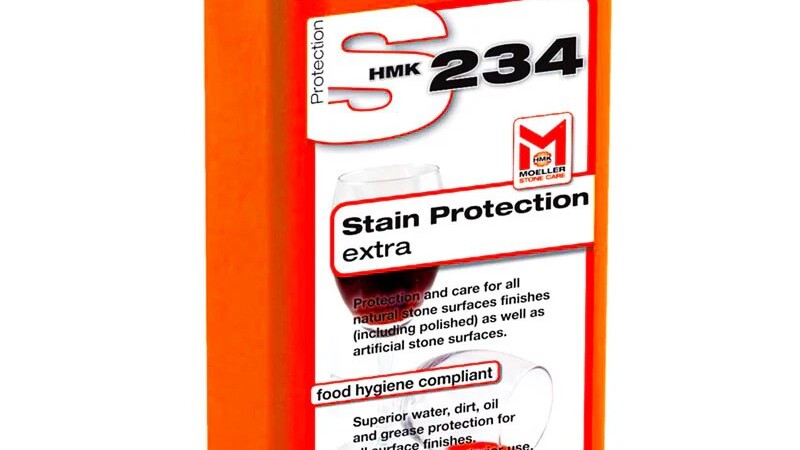
Bathrooms are among the most frequently used spaces in any home, facing constant exposure to water, humidity, and everyday spills. These conditions can quickly lead to stubborn stains, mold growth, and moisture damage if your surfaces aren’t adequately protected. For those searching for the best way to preserve their bathroom’s beauty and longevity, a bathroom tile sealer is a trusted solution that helps maintain both appearance and structural integrity.
Why Use a Bathroom Tile Sealer?
Tiles, whether ceramic, porcelain, or natural stone, are popular in bathrooms for their durability and easy maintenance. However, grout lines and even some tile surfaces remain porous, allowing water, soap scum, and grime to penetrate over time. This can result in discoloration, mildew, and even long-term water damage beneath the surface.
Applying a bathroom tile sealer acts as a protective barrier. It prevents liquids and stains from seeping in, making cleaning easier and prolonging the lifespan of both tiles and grout. This added layer of defense is especially important in moisture-prone areas like showers, floors, and around sinks.
Types of Bathroom Tile Sealers
Choosing the right sealer depends on your tile material and desired finish. Here are the most common types:
• Penetrating Sealers: Absorb into the tile and grout, offering invisible protection without altering the appearance or texture. Ideal for natural stone and porous tiles.
• Surface Sealers: Form a protective layer on top of the tile, often adding a slight sheen. These are suitable for non-porous tiles and can enhance color.
• Enhancing Sealers: Not only protect but also deepen the color and bring out the natural beauty of stone tiles.
Understanding your tile type and the specific needs of your bathroom will help you select the most effective sealer.
How to Apply a Bathroom Tile Sealer
Proper application ensures your surfaces get maximum protection. Here’s a step-by-step guide:
1. Clean Thoroughly: Remove any dirt, soap residue, and mildew. Let surfaces dry completely.
2. Test a Small Area: Apply sealer to an inconspicuous spot to ensure compatibility and appearance.
3. Apply Evenly: Use a clean applicator or brush, following the manufacturer’s instructions. Work in small sections for best coverage.
4. Wipe Excess: After a few minutes, remove any sealer that hasn’t absorbed to prevent hazy residue.
5. Allow to Cure: Let the sealer dry fully before using the bathroom, usually 24-48 hours.
Routine reapplication is recommended, typically every 1-2 years, to maintain optimal protection.
Tips for Maintaining Sealed Bathroom Surfaces
• Regular Cleaning: Use pH-neutral cleaners to avoid breaking down the sealer.
• Immediate Spill Cleanup: Wipe up water and soap spills promptly.
• Inspect Grout Lines: Look for cracks or gaps and reseal as needed to prevent moisture intrusion.
The Value of Investing in Protection
Sealing your bathroom tiles is a straightforward yet highly effective way to guard against stains, moisture, and everyday wear. By choosing the right sealer and following best practices for application and maintenance, you ensure your bathroom remains clean, attractive, and structurally sound for years to come. Investing a little time in this essential step can save you from costly repairs and help your bathroom surfaces stand up to daily life with confidence.