
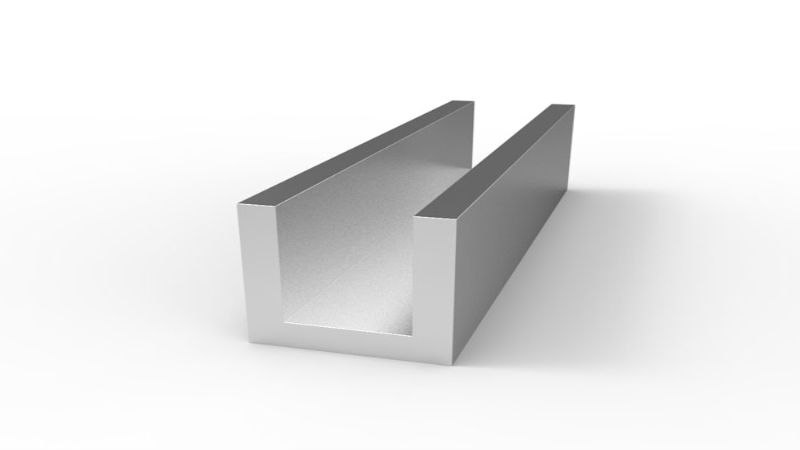
Selecting the ideal metal for your project can make a significant difference in both performance and cost-effectiveness. For many engineers, builders, and DIY enthusiasts, the search often leads to the versatile and robust option of an Aluminum Plate. Whether you’re working on an industrial application, a structural component, or a creative endeavor, understanding how to choose the right type of aluminum plate is essential for a successful outcome.
Understanding Aluminum Plate Types
Aluminum plates are available in a variety of alloys and tempers, each designed to meet specific needs. The most common types include:
• 1100 Series: Known for its excellent corrosion resistance and high thermal conductivity, this pure aluminum option is ideal for chemical and food industry uses.
• 2024 Series: Valued for its high strength-to-weight ratio, this alloy is often used in aerospace and military applications.
• 6061 Series: One of the most popular choices, 6061 aluminum offers good mechanical properties, weldability, and corrosion resistance, making it suitable for structural projects and general fabrication.
• 7075 Series: Recognized for its exceptional strength, this alloy is commonly used in high-stress applications such as aircraft parts and sporting equipment.
Each alloy serves a different purpose, so identifying the specific requirements of your project is the first step.
Key Factors to Consider
When choosing an aluminum plate, consider the following factors to ensure you select the right material for your needs:
1. Strength and Durability
• Load-Bearing Requirements: Projects that involve heavy loads or structural demands require plates with higher tensile strength, such as the 6061 or 7075 series.
• Wear and Tear: For applications exposed to frequent movement or friction, opt for alloys with greater hardness and abrasion resistance.
2. Corrosion Resistance
• Environmental Exposure: If your project will be exposed to moisture, chemicals, or outdoor conditions, prioritize alloys with superior corrosion resistance, like the 1100 or 6061 series.
• Protective Coatings: Consider whether the plate will need additional coatings or treatments to enhance longevity.
3. Machinability and Weldability
• Ease of Fabrication: Some alloys are easier to machine, cut, or weld than others. The 6061 series is particularly popular for its excellent machinability and weldability, making it a go-to choice for custom fabrication.
4. Thickness and Size
• Dimensional Requirements: Aluminum plates come in a range of thicknesses and dimensions. Ensure you select a size that suits your project’s specifications without unnecessary waste or added weight.
5. Budget Considerations
• Cost vs. Performance: While higher-strength alloys may offer superior performance, they can also be more expensive. Balance your budget with your project’s technical needs to find the most cost-effective solution.
Application Examples
Different industries and projects require specific types of aluminum plates. For example:
• Construction: 6061 series plates for structural frameworks and platforms.
• Automotive: 2024 or 7075 series for lightweight, high-strength components.
• Marine: 5052 or 5083 series for boat hulls due to their excellent corrosion resistance.
• DIY Projects: 1100 series for crafting and decorative purposes.
Making the Right Choice
Choosing the best aluminum plate for your project involves evaluating your application’s strength, durability, environmental exposure, and fabrication requirements. By understanding the unique properties of each alloy and matching them to your project’s needs, you can ensure both quality and efficiency. With the right selection process, you’ll achieve optimal results, whether you’re building, repairing, or creating something entirely new.